2026-10-27 · Robert Hale
Choosing Dumpster Sizes for Yard Waste Removal After Atlanta Storms
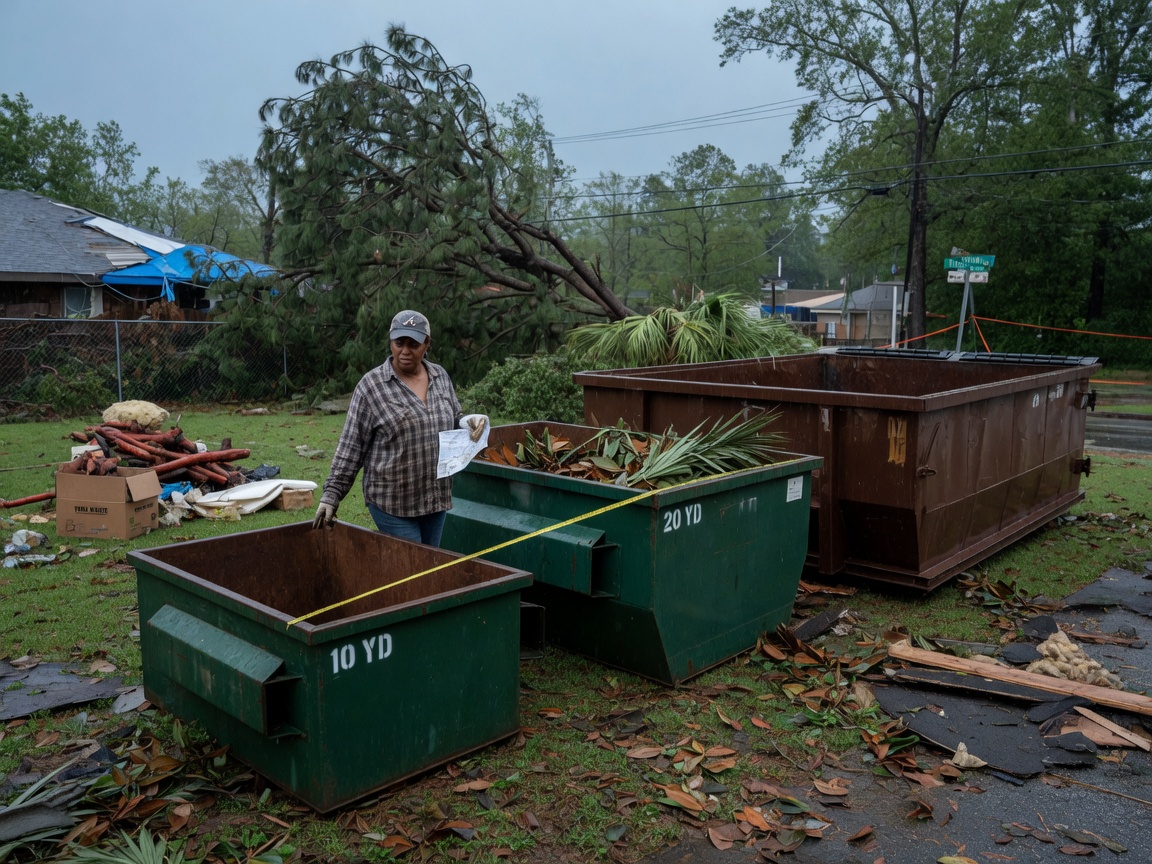
For most yard waste removal jobs after Atlanta storms, a 20-yard or 30-yard roll off dumpster handles typical loads of branches, leaves, and storm debris without exceeding weight limits in Fulton County. These sizes accommodate the volume from mature trees common in older homes while fitting standard residential driveways in areas like Inman Park or the Old Fourth Ward.
Assessing Your Yard Waste Volume After a Storm
Atlanta's humid subtropical climate brings sudden thunderstorms that can strip limbs from oaks and pines across Piedmont Park and the Atlanta BeltLine trails. Start by estimating cubic yards: a standard pickup truck bed holds roughly 2-3 yards, so multiply loads by that factor. In Midtown or Virginia-Highland, where lots are smaller, 10-yard units often suffice for one or two downed trees. Larger properties in Buckhead or East Atlanta frequently require 30-yard containers when high winds scatter debris across multiple yards. Measure piles before ordering to avoid under-sizing, which forces multiple hauls during peak storm season.
Common Dumpster Sizes and Their Capacities
Roll off units come in standard sizes that match Atlanta's typical post-storm needs. A 10-yard dumpster measures about 12 feet long and works for light leaf and shrub cleanup in Grant Park bungalows. The 20-yard model, roughly 22 feet, handles mixed branches and lawn waste from a single West End property. For heavier loads involving whole trees in areas near Centennial Olympic Park, the 30-yard size provides extra room without overloading axles on Fulton County streets. Always keep loads level with the top rails to comply with transport rules and prevent spillage on routes back to processing sites.
Factors Specific to Atlanta's Terrain and Weather
Fulton County's red clay soil becomes slick after storms, complicating placement on sloped driveways common in Virginia-Highland. Hot summer humidity speeds leaf decomposition, increasing weight quickly inside containers, while mild winters allow year-round storm activity. In neighborhoods like Old Fourth Ward, narrow alleys limit larger units, so 20-yard models fit better than 40-yard options. Heavy rain can saturate debris, adding hundreds of pounds; schedule pickup before another front arrives to stay under typical 10-ton limits. These conditions make pre-storm planning essential for residents near the Mercedes-Benz Stadium or Georgia Aquarium.
Placement and Permit Steps in Local Neighborhoods
Position dumpsters on level concrete or gravel whenever possible to avoid sinking in Fulton County's clay during follow-up rains. In dense zones like Midtown or Inman Park, street placement often requires permits—review the process in How to Get a Street Placement Permit for Dumpster Rental in Atlanta. Nearby cities such as Decatur share similar rules for roll off units. Check driveway width and overhead wires before delivery to prevent delays. Residential Dumpster Rental options include same-day delivery when storms hit on weekdays between 8am and 6pm.
Timing Your Rental Around Atlanta Traffic and Seasons
Storm debris volumes peak after spring and summer fronts, so book early to secure units before weekend demand rises. Atlanta traffic patterns around the Atlanta BeltLine can slow hauls from East Atlanta to processing yards, which affects pricing details covered in What Affects Dumpster Rental Pricing Around Atlanta Traffic Patterns. A 20-yard unit typically clears a standard yard in one trip when scheduled within 48 hours of the storm. Coordinate with Roll Off Dumpster Rental teams familiar with local routes to ensure efficient removal before the next weather system arrives.